
Paint care · 19 December 2024
Does Auto Buffing Maintain Your Car's Paintwork?
What auto buffing does, how often to do it, and whether it's safe for your paint.
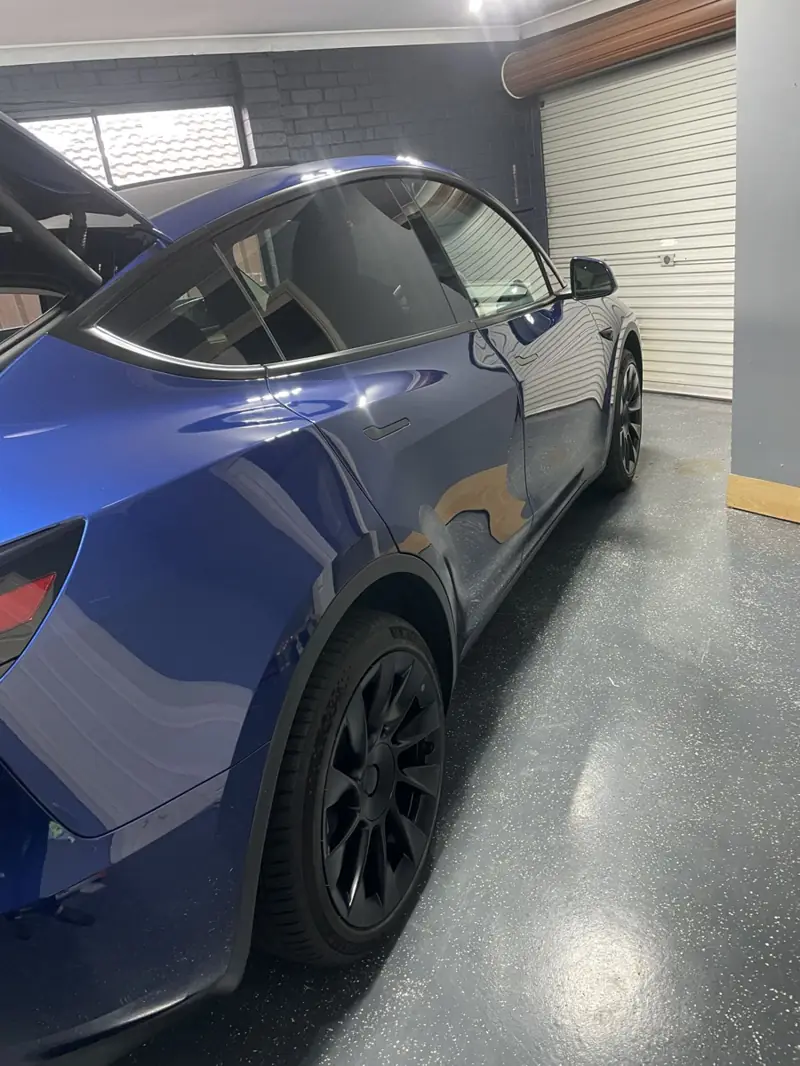
Dirt, road grime and the weather all slowly damage your car's paint. Keeping it in good condition isn't just about looks; it protects the surface and helps the car hold its resale value. That's where buffing comes in. It brings back the shine, removes swirl marks and refines small imperfections.
What is auto buffing?
Buffing smooths out swirl marks, light scratches and oxidation using a machine polisher, a pad and a polishing compound. The rotating pad removes a very fine layer of the surface, leaving the paint smoother and glossier. It can be done by hand or by machine, but machine polishing gives far better, more even results.
The benefits
Buffing removes defects such as swirls, light scratches and oxidation, which extends the life of the finish. It also restores gloss, which makes a big difference to how the car looks, whether you're keeping it or selling it.
How often should you buff?
As a rule of thumb, every six to twelve months, or when you start to see swirls, scratches or fading. Cars that live outside in strong sun may need it more often. Buffing works best straight after a thorough wash and decontamination.
Is it safe for your paint?
Yes, when done correctly. Safe buffing comes down to the right pads, the right compound and controlled technique. Too much pressure or a harsh compound can damage the paint, so work in small sections and keep the machine moving.
DIY or professional?
Doing it yourself costs less, and with practice you can get decent results, but there's a real risk of uneven results or damage. A professional has the equipment and experience to correct the paint safely and to a high standard.
Final thoughts
Buffing removes marks that washing can't and restores the shine. Combined with good washing habits and a sealant or coating afterwards, it keeps your paint looking its best.
The disadvantages of buffing a car
Buffing is useful, but it isn't free of downsides, and it helps to know them:
- It removes clear coat. Every machine polish takes off a very thin layer, and the clear coat can only be polished so many times over the car's life.
- Done badly, it causes damage: too much pressure, heat or a harsh compound can burn through edges or leave holograms and haze.
- Some products only hide scratches with fillers, so the marks come back after a few washes.
- It doesn't fix deep scratches. Anything that catches a fingernail has usually gone through the clear coat.
- Without protection afterwards, freshly polished paint is exposed, so it should always be followed by a sealant or ceramic coating.
Buffing vs polishing: what's the difference?
People use the words interchangeably, but strictly, buffing (or cutting) uses a firmer pad and a more abrasive compound to level defects, while polishing uses a softer pad and finer product to refine the finish and bring out gloss. Paint correction usually combines both: a cut to remove defects, then a polish to finish.
Does buffing damage paint?
Not when it's done properly. Measuring paint thickness, using the right pad and compound, and removing only what's needed keeps it safe. Repeated, aggressive buffing by inexperienced hands is what causes damage.
Need a hand with this?
Hot Ride does this work at your home or workplace across Sydney and the Illawarra. See the service or get a free quote.