
Caravans · 6 October 2026
Caravan Ceramic Coating vs Wax: Which Lasts Longer?
An honest comparison of caravan wax, polish, sealant and ceramic coating: how long each lasts, how much work they take, and which suits your van.
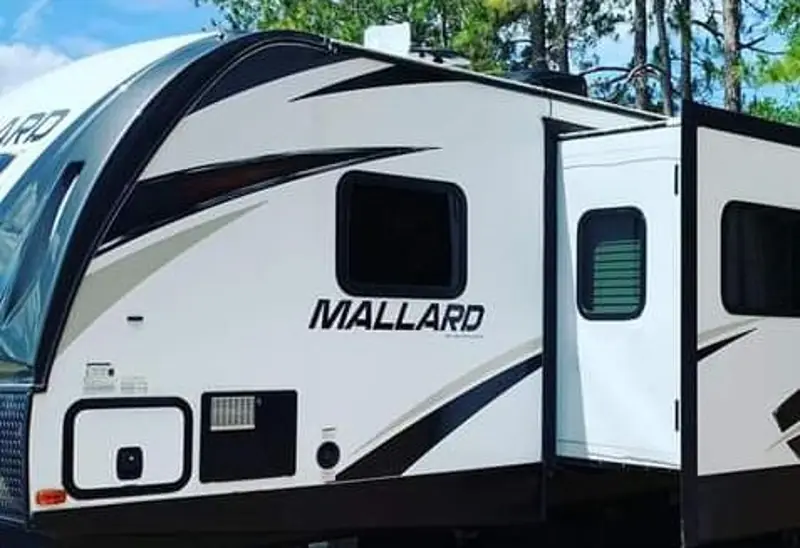
Every caravan owner eventually asks the same question: should I keep waxing the van, or is a ceramic coating worth it? Both make the van look better and both offer some protection, but they work in very different ways and last for very different lengths of time.
This guide compares caravan wax, polish, sealants and ceramic coatings side by side, so you can decide what makes sense for how you use your van.
First, polish and wax aren't the same thing
People often use the words interchangeably, but they do different jobs.
Polish is abrasive. It removes a very thin layer of the surface to take away oxidation, light scratches and staining. It improves the finish but doesn't protect it. If anything, a freshly polished surface is more exposed than before.
Wax is a protective layer. It sits on top of the surface, fills tiny imperfections, adds gloss and makes water bead. It doesn't remove anything.
Many caravan products are a mix of both, often called a cleaner wax or an all-in-one. They're convenient, but they do a little of each job rather than doing either one really well.
How caravan wax works
Most waxes are based on natural carnauba, synthetic polymers or a blend. You apply a thin layer, let it haze, and buff it off. The wax sits on top of the gelcoat or paint as a soft, sacrificial layer that takes some of the UV and grime instead of the surface underneath.
The advantages:
- It's easy to buy and easy to apply.
- It gives an instant improvement in gloss.
- It's forgiving if you make a mistake.
The disadvantages:
- It doesn't last long on a caravan. In full Australian sun and rain, most waxes are gone within a few weeks to a couple of months.
- Waxing a full-size van by hand takes hours, and it needs doing often.
- Wax softens in heat and can hold onto dust and oily grime, which can make black streaks worse.
- It gives limited UV protection, and only while it's there.
How ceramic coating works
A ceramic coating is a liquid that chemically bonds to the surface and cures into a hard, thin, transparent layer. Instead of sitting on top like wax, it becomes part of the surface. That layer is far more resistant to UV, heat, chemicals and weather than wax.
The advantages:
- It lasts years rather than weeks when it's applied properly and looked after.
- The surface becomes very slick, so dirt and black streaks rinse off instead of sticking.
- It resists bird droppings, bug residue, tree sap and coastal salt much better.
- It slows down oxidation and fading by taking the UV hit instead of the gelcoat.
- Washing becomes faster, because there's less to scrub.
The disadvantages:
- Preparation is critical. The surface must be properly washed, decontaminated and usually polished first, or the coating locks in the defects.
- It's a bigger job up front, best done by someone experienced with large vehicles.
- It isn't a force field. It won't stop stone chips, scrapes from branches or hail damage.
We explain the general benefits in more depth in top 5 benefits of ceramic coating for caravans.
What about sealants?
Paint sealants sit between wax and ceramic coatings. They're synthetic, usually last longer than wax, and are easier to apply than a coating. On a caravan, a quality sealant might last a few months. They're a reasonable middle ground if you just want something better than wax, but they still need regular reapplication.
Caravan wax vs ceramic coating: side by side
- How long it lasts: wax lasts weeks, a sealant lasts months, and a ceramic coating lasts years.
- Preparation: wax needs a clean surface, while a coating needs a clean, decontaminated and usually polished surface.
- UV protection: wax is limited and short-lived; a coating is stronger and lasts.
- Black streaks: wax can hold grime, while a coating lets it rinse off.
- Time spent each year: wax means regular reapplication; a coating means simple washing plus a top-up product now and then.
- Gloss: both look great at first, but wax fades quickly and a coating holds its gloss for much longer.
Which one lasts longer on a caravan?
A ceramic coating, by a long way. How long exactly depends on the product, how well the surface was prepared, how much time the van spends in the sun and how it's washed. A coating that's been applied over a properly corrected surface, then washed gently and topped up as recommended, keeps working for years.
Wax, on the other hand, is a short-term finish. That's fine if you enjoy waxing and the van lives under cover, but for most owners whose van sits outdoors, it means doing the job over and over.
Can you put wax on top of a ceramic coating?
You can, but there's usually no reason to. Wax sits on top of the coating and hides its slickness and water behaviour, and it wears off quickly. Most coatings are better maintained with a pH-neutral wash and a compatible spray topper or booster recommended by the coating maker. Ask your installer what they recommend for your coating.
Is a ceramic coating worth it for a caravan?
It depends on how you use the van and how much you value your time.
A coating makes the most sense if:
- The van is stored outdoors, without a carport or shed.
- You travel often, especially on coastal, dusty or long highway trips.
- You're sick of fighting black streaks every trip.
- The van is new or recently corrected, and you want to keep it that way.
- You plan to keep the van for years, or want it to look its best when you sell.
Wax may be enough if the van lives in a shed, is only used occasionally, and you don't mind regular waxing.
If you've just bought a new van and been offered a dealer protection package, read our guide to caravan dealer protection packages before you decide.
Ceramic vs graphene coatings
You'll also see graphene coatings marketed for caravans. Most of these are ceramic coatings with graphene added to the formula. We break down the differences, and what actually matters, in graphene vs ceramic coating for caravans.
What we use at Hot Ride
For caravans, motorhomes, camper trailers and fifth-wheelers, we use OptiVAN, a ceramic coating made specifically for vans. Before coating, we wash and decontaminate the body, remove black streaks and correct oxidation where needed, so the coating goes onto a clean, sound surface. You can read about the full process on our caravan protection page.
If you have a tow vehicle that could use the same treatment, we also apply Gtechniq ceramic coating to cars, 4WDs and utes.
Ceramic coating vs wax FAQs
What is the best caravan wax?
Look for a wax or sealant made for caravans and labelled safe for gelcoat and decals. Products made for cars can work, but some contain cleaners or abrasives that are too harsh for decals or leave residue on rubber and trims. Whatever you use, apply thin coats in the shade on a cool, clean surface.
How long does caravan wax last?
On a van stored outdoors in Australian conditions, usually a few weeks to a couple of months. It wears faster in strong sun, heavy rain, coastal air and when washed with strong detergents. A van stored in a shed will hold wax for longer.
Should I polish before applying a ceramic coating?
If the surface has any oxidation, staining or dullness, yes. The coating seals in whatever is under it, so it should go on a clean, corrected surface. A brand-new van often needs only a thorough wash and decontamination.
Can I apply a caravan ceramic coating myself?
DIY coating kits exist, but a caravan is a big surface to coat evenly. Preparation is time-consuming, high areas need safe platforms, and mistakes like uneven application or high spots are hard to fix once cured. Many owners find a professional application more practical.
How do I wash a coated caravan?
Rinse first, then use a pH-neutral wash with a soft mitt, working from the top down. Rinse and dry. Avoid degreasers, dishwashing liquid, harsh solvents and abrasive pads. A compatible spray topper every so often keeps the coating at its best.
Does ceramic coating make a caravan scratch-proof?
No. It's harder than wax and resists fine wash marks better, but it won't stop scrapes from branches, stone chips or impacts. Its main jobs are UV protection, chemical resistance and easier cleaning.
Is a coating worth it on an older caravan?
Often, yes, especially if the van is corrected first. Removing oxidation and then coating can bring an older van back to a bright finish and keep it that way, which also helps its resale value.
Wrapping up
Wax is cheap, easy and gives a quick shine, but on a caravan that lives outdoors it only lasts weeks. A ceramic coating takes more work up front, but it lasts for years, makes washing far easier and protects the finish from UV and black streaks in between trips. For most owners who store their van outside, a coating is the more practical long-term choice.
Need a hand with this?
Hot Ride does this work at your home or workplace across Sydney and the Illawarra. See the service or get a free quote.