
Caravans · 6 October 2026
Graphene vs Ceramic Coating for Caravans: What's the Difference?
What graphene coatings for caravans actually are, how they compare with ceramic coatings, and the things that matter far more than the label.
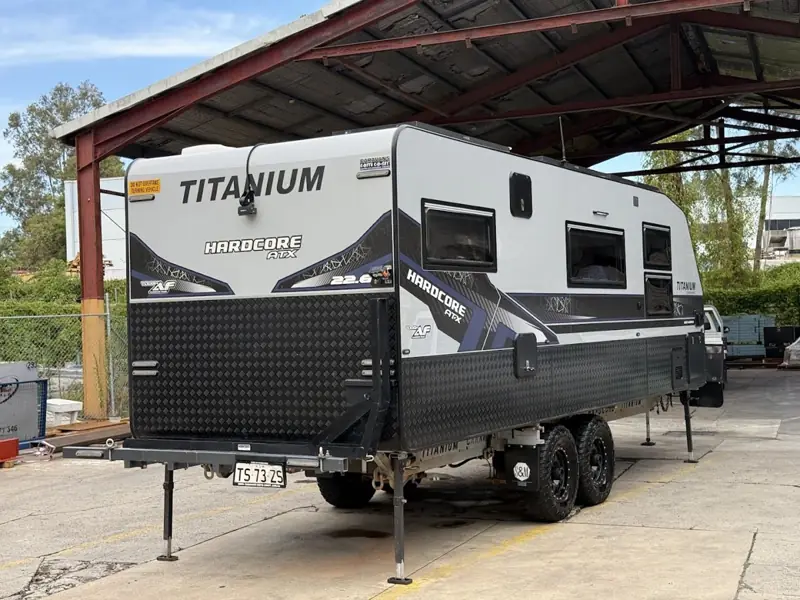
If you've started researching protection for your caravan, you've probably seen two terms come up again and again: ceramic coating and graphene coating. Some products claim graphene is the next big thing, others say ceramic is all you need. It's confusing, especially when the marketing makes both sound like magic.
This guide explains what graphene coatings for caravans actually are, how they compare with ceramic coatings, and what really decides how well your van is protected.
What is a ceramic coating?
A ceramic coating is a liquid protection product, usually based on silicon dioxide (SiO2) or similar compounds. It's applied to a clean surface, bonds with it, and cures into a hard, thin, transparent layer. That layer is much tougher than wax or sealant. It resists UV, chemicals and heat, and it makes the surface very slick, so water, dirt and grime have trouble sticking.
On a caravan, that means the gelcoat or paint is shielded from the sun, black streaks rinse off more easily and washing takes far less time. If you're new to the idea, our ultimate guide to caravan paint protection is a good place to start.
What is a graphene coating?
Graphene is a form of carbon arranged in a single layer of atoms. It's very strong, flexible and conducts heat well, which is why it gets a lot of attention.
In the coatings world, graphene coating usually means a ceramic coating with graphene or graphene oxide added to the formula. In other words, most graphene coatings are ceramic coatings with an extra ingredient. The graphene is there to change how the coating behaves rather than to replace the ceramic base.
Manufacturers claim the graphene helps with:
- Reducing water spotting, because the surface sheds heat and water more evenly.
- Making the surface slicker.
- Adding flexibility, so the coating copes better with heat expansion.
- Reducing static, so the surface attracts less dust.
How much difference the graphene makes depends on the product, how much is in it, and how it's formulated. Some well-made graphene-enhanced coatings perform very well. Some products use the word mainly as a selling point.
For a car-focused explanation, see our post on what graphene coating is and how it works.
Graphene vs ceramic coating: the real differences
Water spotting: graphene-enhanced coatings are often marketed as reducing water spots, which can help in hard-water areas and hot climates. A good ceramic coating that's washed and dried properly also stays clear of spotting.
Slickness and self-cleaning: both make the surface slick. On a caravan, the bigger factor is whether the coating is made for gelcoat and large vertical panels.
Durability: this depends far more on the product quality, surface preparation and maintenance than on whether graphene is in the label.
Heat: graphene's heat-related claims are interesting for a van sitting in the sun, but real-world differences between good products are smaller than the marketing suggests.
Price: graphene-labelled products often cost more, but that doesn't automatically mean better protection.
What matters more than graphene or ceramic
After working on a lot of vans, we can say this with confidence: the label on the bottle matters less than these four things.
Preparation. A coating locks in whatever is under it. If the van still has oxidation, black streak staining, old wax or embedded grime, the coating can't bond properly and the finish will look patchy. Proper preparation means a full wash, chemical decontamination, streak removal and machine polishing where needed. We cover the polishing side in our guide to caravan oxidation.
A product made for caravans. Car coatings are designed for automotive clear coat. Caravans are mostly gelcoat or painted aluminium, with lots of seals, decals, acrylic windows and plastic trims. A product designed for those surfaces and for long periods outdoors is a better fit.
Application. A caravan is a lot of surface area. The coating has to be applied evenly, panel by panel, levelled properly and given time to cure. Rushed application leads to high spots, streaks and short life.
Aftercare. Washing with a pH-neutral product, avoiding harsh chemicals and abrasive pads, and topping up as recommended keeps any coating working for longer. Even the best coating wears faster if it's scrubbed with degreaser.
Do you need graphene for a caravan?
No. A good-quality ceramic coating made for caravans and applied over a properly prepared surface will protect your van very well. If you prefer a graphene-enhanced product and it's made for vans, that's fine too. Just don't choose based on the word graphene alone, and don't assume a graphene product will make up for poor preparation.
The questions worth asking any installer are:
- What product will you use, and is it made for caravans?
- What preparation is included: decontamination, streak removal, polishing?
- Which surfaces will be coated: walls, front and rear, windows, trims?
- How should I wash and maintain it, and what top-up products do you recommend?
- Is there a warranty, who provides it, and what does it require from me?
How coatings compare with wax
Whether graphene or ceramic, a coating lasts far longer than wax. Wax sits on top of the surface and wears off within weeks on a van that lives outdoors. A coating bonds to the surface and lasts years. We compare them properly in caravan ceramic coating vs wax.
What we use at Hot Ride
For caravans, motorhomes, camper trailers and fifth-wheelers we use OptiVAN, a ceramic coating made specifically for vans and the long periods in the sun they face. We chose it because it's designed for gelcoat and painted caravan surfaces, not adapted from a car product.
Every job starts with a full wash and decontamination, black streak removal and correction of oxidation where needed, so the coating has a clean, sound surface to bond to. We do the work at your home or storage yard across Sydney and the Illawarra. You can see the full process on our caravan protection page.
For your tow vehicle, we use Gtechniq ceramic coating, with a 5 or 9-year warranty provided by Gtechniq.
Graphene and ceramic coating FAQs
Is graphene coating better than ceramic coating for caravans?
Not automatically. Some graphene-enhanced coatings perform very well, but so do quality ceramic coatings. The product's quality, whether it's made for caravans, how well the surface is prepared and how the van is maintained matter more than the graphene label.
Does graphene coating last longer?
Some products claim longer life, but durability depends mostly on the formula, the preparation and the aftercare. A well-applied quality ceramic coating can outlast a poorly applied graphene one.
Is graphene coating good for motorhome paint protection?
It can be. Motorhomes combine a vehicle cab with a living body, so look for a product suited to both, or use a caravan-specific coating on the body and an automotive coating on the cab. The same questions about product, preparation and aftercare apply.
Can graphene or ceramic coatings go on decals?
Many coatings can be applied over sound, well-bonded decals and stripes to protect them from UV. Cracked or lifting decals should be repaired or replaced first, because the coating can't hold them together.
Do coatings stop the caravan from getting dirty?
No, but they make dirt much easier to remove. Grime and black streaks have trouble bonding to a slick coated surface, so a rinse and gentle wash removes most of it.
Will a coating fix oxidation or faded paint?
No. A coating protects what's underneath; it doesn't repair it. Oxidation has to be polished away first, then the coating keeps the corrected finish protected.
How do I know if my coating is still working?
Rinse the van and watch the water. On a healthy coating, water beads or sheets off quickly and dirt rinses away easily. If water sits flat on the panels and dirt clings, the coating may have worn and need attention.
Can I mix products?
Stick to the maintenance products your installer recommends. Mixing different coatings, waxes and toppers can affect how the surface behaves and may void a warranty.
Wrapping up
Most graphene coatings are ceramic coatings with graphene added. Some perform very well, but the graphene label alone doesn't decide how well your caravan is protected. Preparation, a product made for vans, careful application and good aftercare make far more difference. Get those right, and either type will keep your van protected for years.
Need a hand with this?
Hot Ride does this work at your home or workplace across Sydney and the Illawarra. See the service or get a free quote.