
Caravans · 6 October 2026
How to Protect Your Caravan From the Australian Sun
Practical ways to protect your caravan's walls, decals, seals, windows, tyres and interior from UV damage, whether it's parked at home or on the road.
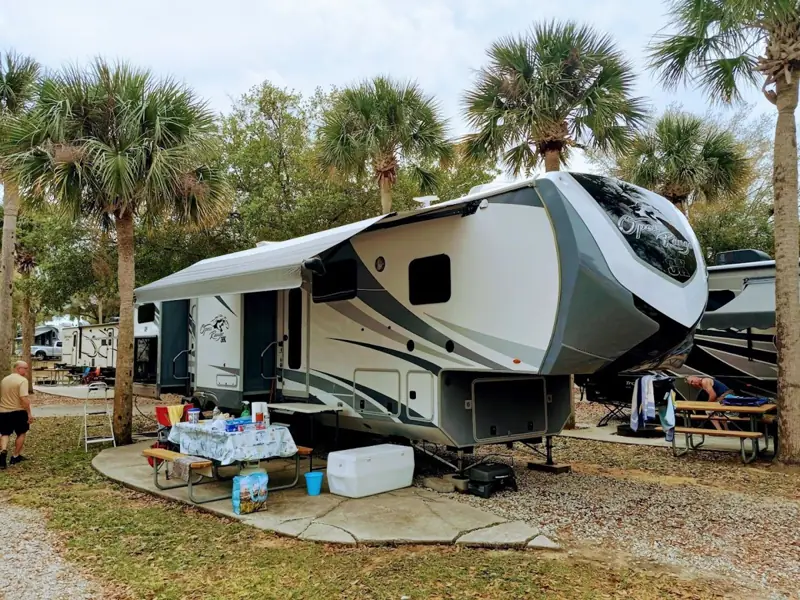
The Australian sun is the toughest thing your caravan will ever face. Sydney regularly sees UV levels in the very high to extreme range for much of the year, and a van parked in the same spot for months takes that hit day after day. Over time, UV fades the walls, dries out decals, cracks rubber seals, crazes acrylic windows and hatches, and even ages the tyres.
The good news is that most sun damage is preventable. This guide covers practical ways to protect every part of your caravan from UV, both at home and on the road.
What the sun actually does to a caravan
UV radiation breaks down the chemical bonds in plastics, resins, rubber and paint. Heat speeds it up. On a caravan, that shows up as:
- Walls and gelcoat: fading, loss of gloss and eventually chalky oxidation.
- Decals and stripes: fading, drying, shrinking and cracking.
- Rubber seals and window rubbers: hardening, shrinking and cracking, which can lead to leaks.
- Acrylic windows and roof hatches: hazing and fine cracking, often called crazing.
- Sealants: drying out and pulling away around fittings.
- Tyres: sidewall cracking, even when the tread is still good.
- Awning fabric: fading and weakening of the material and stitching.
- Interior: faded upholstery, curtains and cabinetry where the sun comes through the windows.
If your van's walls are already chalky, our guide to caravan oxidation explains how that's fixed.
1. Park in the shade wherever you can
The simplest protection is to keep the sun off. A carport, shed or shade structure with enough height clearance makes the biggest difference of anything on this list. If that's not possible at home, consider a covered storage yard.
If the van has to stay in the open:
- Position it so the side that gets the harshest afternoon sun is the one with fewer decals or windows.
- Avoid parking under trees that drop sap, leaves and bird droppings, even though the shade is tempting.
- Swap its position now and then, so one side doesn't take all the damage.
2. Protect the exterior surface
Gelcoat and paint need their own protection, because shade only helps when the van is home. On the road, it's out in the sun all day.
A ceramic coating made for caravans acts like sunscreen for the walls. It forms a hard, UV-resistant layer that takes the hit instead of the gelcoat, so the finish keeps its colour and gloss for longer. It also makes the surface slick, so dust and grime don't bake on. Wax gives some UV protection too, but it only lasts weeks on a van that lives outdoors. We compare the two in caravan ceramic coating vs wax.
3. Look after decals and stripes
Decals are thin vinyl and are often the first thing to show sun damage. To make them last:
- Keep them clean. Dirt and grime hold heat and speed up breakdown.
- Never use abrasive pads, melamine sponges or cutting compound on them.
- Keep pressure washer nozzles well back from decal edges.
- Protect them along with the walls. A coating applied over sound decals helps shield them from UV.
Faded decals can't be restored to new, but once they've cracked and started lifting, replacing them is often the best fix.
4. Treat rubber seals and window rubbers
Dry, cracked seals are where many caravan leaks start. Every few months, clean the seals around windows, doors, hatches and lockers, then apply a rubber protectant made for that purpose. Check the sealant around roof fittings, rails and windows at the same time, and reseal anything that's cracked or lifting before it lets water in.
5. Shield acrylic windows and roof hatches
Acrylic windows and hatches are softer than glass and more prone to UV damage and scratching. Clean them only with a soft cloth and a cleaner made for acrylic, never with household glass cleaners containing ammonia or alcohol, which can cause crazing. Close internal blinds when the van is stored, and consider hatch covers for roof hatches that sit in full sun.
6. Cover the tyres
Tyres can perish from UV long before the tread wears out, especially on vans that sit for months between trips. Fit tyre covers when the van is stored, and check the sidewalls for fine cracks before every trip. Tyre age matters too, so check the date code and replace old tyres even if they look fine.
7. Look after the awning
Roll the awning up when you're not using it, and only when it's dry, to avoid mould and mildew. Clean it with a product made for awning fabric, and check the stitching and the ends of the fabric for sun damage. An awning cover or wrap can extend its life considerably.
8. Protect the interior
Sun through the windows fades upholstery, curtains and timber finishes. When the van is stored, close the blinds and curtains, and use reflective window covers on the sunniest side if you can. Leave a little ventilation to stop heat and humidity building up inside.
Should you use a caravan cover?
A good-quality, breathable caravan cover can protect against UV, but only if it's the right type and used properly. A poorly fitting cover or a plastic tarp can do more harm than good: it flaps in the wind and scuffs the finish, and it traps moisture underneath, which can lead to mould and staining.
If you use a cover:
- Choose one made for caravans, sized for your van, and breathable.
- Only cover a clean, dry van. Dirt under a cover acts like sandpaper.
- Secure it well so it doesn't flap.
- Check under it regularly.
We go into covers, ventilation and other long-term care in our caravan storage tips.
Sun protection on the road
On trips, the van spends all day in the sun with no shelter. A few habits help:
- Choose shaded sites where you can, and set up so the awning shades the windows on the sunny side.
- Wash off red dust, salt and bug residue as soon as practical. They bake on in the heat.
- Keep a waterless wash or quick detailer for spot cleaning.
- If your van is coated, a quick rinse is often enough to keep it clean between proper washes.
Caravan sun protection FAQs
How do I stop my caravan decals fading?
Keep them clean, keep the van shaded where possible, never use abrasive products on them, and protect them along with the walls. A coating applied over sound decals helps shield them from UV, although nothing will keep them new forever.
Is a caravan cover or a coating better for sun protection?
They do different jobs. A cover helps only while the van is parked, and only if it's breathable and well fitted. A coating protects the surface all the time, including on the road. Many owners use both: a coating for everyday protection, and a carport or cover at home.
Does the sun damage caravan tyres?
Yes. UV breaks down rubber and causes sidewall cracking, even on tyres with plenty of tread left. Tyre covers and regular checks help, and old tyres should be replaced based on age as well as wear.
Can UV damage cause caravan leaks?
Indirectly, yes. UV hardens and cracks rubber seals and sealant around windows, hatches and fittings, and that's where many leaks start. Regular inspection and treatment of seals helps prevent it.
How do I protect caravan windows from the sun?
Clean acrylic windows only with acrylic-safe products and a soft cloth, close the blinds when the van is stored, and use reflective covers on the sunniest side. Avoid household glass cleaners containing ammonia or alcohol.
Is caravan UV protection important in winter?
Yes. UV levels in Sydney are lower in winter but still high enough to fade and age a van that sits outdoors. Protection matters all year round.
What is the best caravan paint protection in Australia?
The best option is one that suits how you store and use your van. For most owners with vans stored outdoors, a professionally applied, caravan-specific ceramic coating gives the longest-lasting protection. Our ultimate guide to caravan paint protection compares coatings, films and graphene products.
How often should I check my van for sun damage?
Every time you wash it. Look at the sunny side for dull or chalky areas, check decals and seals, and look at the sidewalls of the tyres.
Wrapping up
UV attacks every part of a caravan, from the walls and decals to the seals, windows, tyres and interior. Shade is the best defence, but no van can stay in the shade forever. Protecting the exterior with a caravan-specific coating, treating seals, covering tyres and closing up the interior makes the biggest difference over the life of the van.
Hot Ride protects caravans and motorhomes with OptiVAN ceramic coating at your home or storage yard across Sydney and the Illawarra. See how it works on our caravan protection page, or read more about the benefits of ceramic coating for caravans.
Need a hand with this?
Hot Ride does this work at your home or workplace across Sydney and the Illawarra. See the service or get a free quote.